Emergency garden tidy up Plaistow same day gardeners
When a garden has gone from "needs a bit of work" to "this has to be sorted today", speed matters. Sprawling grass, broken branches, windblown debris, overflowing beds, and a patio you can barely walk across can turn into a real headache fast. That is where Emergency garden tidy up Plaistow same day gardeners come in: a practical, rapid-response service designed to get things under control without dragging the job out for days.
This guide explains what an emergency garden tidy up actually involves, how same-day garden crews typically work, who it helps, what to expect, and how to avoid common mistakes. If you are dealing with a messy front garden before visitors arrive, a back garden after bad weather, or a rental property that needs quick attention, this should help you make a sensible call. Let's face it, sometimes you just need the place looking decent again, and you need it now.
Why Emergency garden tidy up Plaistow same day gardeners Matters
An emergency tidy-up is not just about looks. A neglected garden can become harder to manage very quickly. Wet leaves make paths slippery, storm debris can hide damage, overgrown hedges can block access, and piles of waste can invite pests. In a busy London neighbourhood like Plaistow, where space is often tight and visibility matters, a messy garden can also affect how safe, usable, and presentable a property feels.
Same-day gardening support is especially valuable when a problem appears suddenly. Perhaps a branch has fallen overnight. Maybe you have had a last-minute tenancy inspection. Or maybe your garden has simply got out of hand after a spell of rain and you cannot face it alone. In those moments, fast help is less of a luxury and more of a sensible decision.
There is also a trust element. When you book a local team, you want them to arrive on time, work efficiently, and clear away the waste properly. That is why many people look for services that sit alongside broader support such as garden clearance and garden maintenance, because an emergency tidy-up often sits between the two. It is quick, but it still needs care.
Expert summary: A same-day garden tidy up is best seen as rapid stabilisation. It gets the space safe, tidy, and manageable first, then you can decide whether further maintenance, pruning, or landscaping is needed later.
How Emergency garden tidy up Plaistow same day gardeners Works
Most same-day garden tidy-ups follow a straightforward pattern, though the exact approach depends on the size and condition of the space. The main goal is to respond quickly, remove immediate mess, and leave the garden in a presentable state before the day ends.
In practical terms, the job often begins with a short phone discussion or message exchange. You describe the problem, share a few photos if possible, and explain what must be done today. That might include leaf clearing, mowing, hedge trimming, branch removal, weed cutting, sweeping paths, or taking away green waste. If the garden has specific hazards, such as a fallen tree limb or unstable fence panel, that should be mentioned right away.
From there, the team usually confirms what can realistically be completed on the same day. A good local crew will be honest about this. For example, a moderate overgrowth can often be tackled quickly, but a heavily blocked garden full of builders' waste and dense shrubbery may need a phased approach. Not everything can be magically solved in one visit, despite what some rushed adverts might imply. If a job needs more than simple tidying, it may connect better with services like tree surgery or tree lopping and removal.
Once on site, the team normally works in a clear sequence: make the space safe, cut back or remove obvious problem growth, collect loose debris, sweep and bag waste, then finish with a visual tidy. Some jobs are mostly cosmetic; others need more physical clearance. Either way, the aim is to leave the garden usable, not perfect in a showroom sense. There is a difference, and it matters.
Key Benefits and Practical Advantages
The biggest benefit is obvious: speed. When you need the garden sorted quickly, same-day help removes the stress of trying to do everything yourself in a rush. But there are several other advantages worth thinking about.
- Immediate visual improvement: A cluttered outdoor area can be transformed surprisingly fast once weeds, debris, and long grass are dealt with.
- Reduced safety risk: Clearing trips, slips, and hidden obstacles makes pathways and access points much safer.
- Better property presentation: Handy before viewings, landlord inspections, family visits, or end-of-tenancy handovers.
- Less personal strain: Some garden jobs are simply too awkward or heavy to manage alone, especially with bulky waste or thorny growth.
- Clearer next steps: Once the immediate mess is gone, you can see what actually needs repairing, pruning, or redesigning.
There is a quiet practical benefit too: an emergency tidy-up often prevents the problem from snowballing. A small branch pile becomes a damp, tangled mess. A patch of weeds becomes a full border takeover. And then, before long, you are no longer talking about tidying but about real clearance work. That is why quick action can save effort later.
Who This Is For and When It Makes Sense
This kind of service is useful for a surprisingly wide range of people. It is not only for dramatic storm damage or neglected gardens. In fact, many calls are for simple, urgent life moments: someone moving out, someone moving in, a property on the market, or a garden that has just got away from a busy household.
You may benefit from a same-day tidy-up if you are:
- a homeowner expecting guests and short on time
- a landlord or letting agent preparing a property for inspection
- a tenant needing to hand back an outdoor space in decent shape
- a family dealing with sudden weather damage or branch fall
- a business owner with an outdoor frontage that needs to look respectable
- someone who can no longer physically handle the work safely
It also makes sense when you are unsure whether the issue is minor or more serious. For example, if a hedge has become untidy and the lawn is patchy, a same-day visit may be enough to restore order. But if you have cracked paving, unstable fencing, or large-scale overgrowth, you may need broader work later on. In those situations, services such as hedge trimming, lawn mowing, or patio cleaning can be more appropriate after the urgent tidy-up is done.
Truth be told, the best time to call is before the space becomes a safety issue. But if that ship has sailed, you are still not too late.
Step-by-Step Guidance
If you are booking an emergency garden tidy-up for the first time, it helps to know what a smooth process looks like. Here is a practical step-by-step view.
- Assess the problem honestly. Walk the garden and identify the urgent parts: debris, overgrowth, broken branches, blocked access, or slippery surfaces.
- Take a few clear photos. This helps the gardener understand the scale of the work before arriving. One wide shot and a couple of close-ups usually do the trick.
- Prioritise what must be done today. If the whole garden is messy, focus on access, safety, and the most visible areas first.
- Ask what can be handled on a same-day basis. Good teams will explain the likely scope rather than overpromising.
- Prepare access. Unlock gates, move cars if needed, and make sure the crew can get to the problem areas quickly.
- Agree on waste handling. Ask whether green waste will be bagged, removed, or left neatly stacked depending on the arrangement.
- Check the finished result. Once the work is complete, walk the area and confirm the main priorities have been dealt with.
A small but useful tip: if you are dealing with both indoor and outdoor pressure, tell the gardener what matters most. Maybe it is the front path because visitors will use it. Maybe it is the back gate because access is blocked. Small details like that save time and improve the result.
Expert Tips for Better Results
In our experience, the best emergency tidy-ups are the ones where the customer is clear, realistic, and focused on the outcome rather than trying to micromanage every leaf. Here are some tips that genuinely help.
- Send photos before the visit. A few honest images help avoid surprises and make the same-day schedule more realistic.
- Separate "urgent" from "ideal." Urgent means safe and tidy today. Ideal means the fuller garden plan for another day.
- Ask about waste removal early. If waste is not cleared properly, the job can still feel unfinished.
- Think in zones. Front garden, path, side return, back lawn, and patio may need different treatment.
- Be clear about access. Narrow side paths, locked gates, and awkward parking can slow things down more than people expect.
- Keep pets and children away during work. Tools, clippings, and moving waste bags are not ideal around little feet or curious dogs.
One thing people often overlook is damp growth. A garden that looks merely untidy at noon can feel twice as heavy and messy by late afternoon if the weather turns. London weather does like a dramatic entrance, doesn't it? If rain is in the air, ask the crew how they plan to handle slippery surfaces and wet cuttings.
If the tidy-up uncovers a bigger issue, that is normal. Sometimes the worst-looking part is simply hiding the real problem underneath. A responsible team should tell you that plainly, not dress it up.
Common Mistakes to Avoid
A rushed situation makes people do rushed things. Fair enough. But a few common mistakes can make the outcome worse or more expensive than it needs to be.
- Trying to do everything at once. If the garden is genuinely overwhelmed, chase priority tasks first.
- Not explaining the real issue. If there is fallen timber, hidden rubbish, or access trouble, say so early.
- Choosing solely on speed. Same-day availability matters, but so does safety and proper waste handling.
- Assuming one tidy-up solves every problem. Sometimes the emergency job is only the first stage.
- Ignoring boundaries or shared areas. In flats, terraces, or shared access situations, coordination matters.
- Leaving sharp, heavy, or unstable debris in place. That is one job best not left for later if it can be avoided.
Another mistake? Not checking whether the team is suited to the type of work you need. A basic tidy-up is not the same as heavy clearance or tree-related work. If you have major branch damage or a risky tree issue, using the more appropriate service from the start can save time and reduce the chance of disappointment.
Tools, Resources and Recommendations
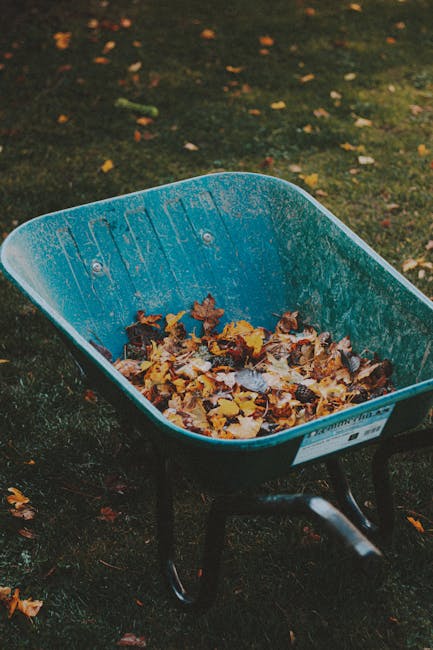
You do not need to arrive like a fully stocked landscaping crew, but the right tools make a big difference. For a same-day tidy-up, the basics usually include hand tools, cutting tools, rakes, bags, tarps, wheelbarrows, and waste containers. For some gardens, power equipment may be needed as well, especially if the lawn is long or hedges are untidy.
From a practical perspective, the best results come when the job is matched to the tools. For example:
- Lawn care and mowing tools help restore neglected grass without tearing up the surface.
- Hedge tools are useful when the outline needs quick, neat shaping rather than full redesign.
- Leaf grabbers and rakes are simple but brilliant after windy weather.
- Heavy-duty sacks and tarps make waste collection cleaner and faster.
- Pressure or surface cleaning equipment may help on hard standings where mud has built up, especially near patios.
For broader outdoor refresh work, it can also help to think beyond the emergency itself. A tidy-up may lead naturally into lawn care, landscaping, or even repairs to borders, paths, or timber features. If your garden includes decking, the condition of the boards and edges may need attention too, so a service like decking services can become relevant later on.
And if your outdoor space has grown messy because routine upkeep has slipped, a steadier follow-up plan is worth considering. A one-off urgent job is helpful, but regular care keeps the panic at bay. Simple, really.
Law, Compliance, Standards, or Best Practice
For garden tidy-ups in the UK, the key issues are usually safety, waste handling, and responsible work practice rather than complicated regulation. You do not need to become an expert in every rule, but you should expect the work to be carried out sensibly and with care.
Best practice typically includes:
- Safe use of tools and machinery. Cutting equipment, ladders, and lifting tasks should be handled carefully.
- Clear control of waste. Green waste and mixed debris should be separated and dealt with responsibly where possible.
- Proper insurance and safety awareness. If a job involves potential risk, it should be approached with suitable safeguards.
- Respect for property boundaries. This matters in shared gardens, narrow access points, and terraced settings.
- Honest scope setting. A reputable provider should not promise a full transformation if the job realistically needs more time.
Where garden waste is concerned, local disposal and recycling norms matter. A tidy-up should not just move the mess somewhere else. If sustainability is important to you, look for a team that takes waste handling seriously and can explain its approach in plain English, not jargon. You can also review the company's recycling and sustainability information and its health and safety policy for added reassurance.
For service trust, it also helps to understand how the business handles practical matters such as pricing and payment. Clear terms, transparent quotes, and secure payment processes are not glamorous, but they matter. A lot.
Options, Methods, or Comparison Table
Not every urgent garden job needs the same solution. Sometimes a targeted tidy-up is enough; other times, you need a wider clearance or more formal maintenance support. Here is a simple comparison to help you choose.
| Option | Best for | Typical scope | What it feels like in practice |
|---|---|---|---|
| Emergency tidy-up | Immediate mess, safety concerns, or urgent presentation issues | Debris removal, quick cutting back, sweeping, bagging, visible clean-up | Fast, focused, and designed to stabilise the garden today |
| Garden clearance | Heavier clutter, lots of waste, or a garden that has been neglected for longer | More extensive removal of green waste and overgrowth | Broader, more physical, and often a bigger reset |
| Garden maintenance | Ongoing upkeep after the urgent work is done | Regular mowing, trimming, weeding, and seasonal care | Less dramatic, but far better for keeping things under control |
| Specialist tree work | Dangerous limbs, large trees, or structural concerns | Assessment, pruning, removal, or targeted corrective work | More technical and safety-led than a standard tidy-up |
If you are unsure which route fits, ask for a quick assessment rather than guessing. A sensible provider would rather steer you toward the right job than sell you the wrong one.
Case Study or Real-World Example
Here is a realistic example. A homeowner in Plaistow had family visiting the following afternoon. Over the previous week, wind had scattered leaves into the side return, the front border had become untidy, and the back lawn had grown patchy enough to look neglected from the kitchen window. Nothing dramatic, but enough to cause stress. You know that feeling, where every glance out the window seems to say, "sort me out."
A same-day team was booked to handle the visible problems first: the path, front edge, lawn, and loose debris. The work did not involve redesigning the whole garden or tackling every long-term issue. Instead, it focused on a clean, practical reset. By the end of the visit, the space looked calmer, easier to walk through, and presentable enough for the next day's gathering.
The important point is not that the garden became perfect. It didn't need to. It simply needed to be neat, safe, and no longer embarrassing to use. That is what emergency tidy-up work is really for: restoring confidence in the space quickly.
In a slightly more complex situation, the same approach could be paired with later help from gardening services or even landscape gardening if the layout itself needs attention. The emergency job creates breathing room. Then you plan properly.
Practical Checklist
Use this quick checklist before booking a same-day tidy-up. It keeps the process simple.
- Identify the most urgent problem areas
- Take clear photos in daylight if possible
- Note any hazards such as broken branches or slippery paths
- Decide what absolutely must be done today
- Check whether waste removal is included or expected
- Make sure gates and access routes are open
- Keep pets and children away from the work area
- Ask about insurance and safety expectations
- Confirm the finish you want: safe, tidy, or more thorough
- Review whether follow-up maintenance will be needed
Quick rule of thumb: if you can describe the problem in one sentence, you are ready to request help. If you cannot, take another look and decide what matters most first.
Get a free quote today and see how much you can save.
Conclusion
An emergency garden tidy up in Plaistow is about more than a quick cosmetic fix. It is a practical response to a garden that needs attention now, whether the issue is weather damage, overgrowth, access, or general mess. The best same-day gardeners work with calm efficiency, sensible priorities, and a clear understanding of what is realistic in one visit.
If you are facing a messy outdoor space today, start with the essentials: safety, access, and the visible problem areas. Then decide whether you need a one-off tidy-up, a fuller clearance, or regular maintenance afterwards. That way, you are not just reacting - you are getting back in control.
And once the worst of it is cleared, the garden usually feels different straight away. Quieter somehow. Easier to live with. A bit more like yours again.
Frequently Asked Questions
What does an emergency garden tidy up usually include?
It usually includes urgent visible work such as debris removal, leaf clearing, light cutting back, lawn tidying, path sweeping, and bagging or removing waste. The exact scope depends on the garden and the time available.
Can same-day gardeners in Plaistow handle overgrown gardens?
Yes, if the job is realistic for a same-day visit. Light to moderate overgrowth can often be handled quickly, but very heavy growth or large amounts of waste may need a fuller clearance appointment.
How quickly can an emergency tidy-up be arranged?
It depends on availability and the size of the job, but same-day work is usually arranged by giving clear details and photos as early as possible. Morning requests are often easier to fit in than late afternoon ones.
Is a garden tidy-up the same as garden clearance?
Not quite. A tidy-up focuses on making the garden look neat and safe quickly, while garden clearance tends to involve heavier removal of waste, clutter, and more extensive overgrowth.
Do I need to be at home during the work?
Usually yes, at least at the start, so you can explain priorities, confirm access, and answer questions. Some arrangements may allow remote or side-access work, but that should be agreed in advance.
What should I send before the gardener arrives?
Clear photos, a short description of the issue, access details, and any urgent concerns such as broken branches or slippery areas. That helps the team prepare properly and reduces wasted time.
Can emergency tidy-up work include hedge cutting or mowing?
Yes, if those tasks are part of the problem and can be completed safely on the day. In some cases, a quick mow or hedge trim is exactly what a garden needs to look presentable again.
Will the waste be taken away?
Often it can be, but you should confirm this before the job starts. Some tidy-ups include waste removal, while others focus on cutting and stacking debris neatly for later collection.
Is emergency garden work safe in wet weather?
Sometimes yes, but it depends on the surface, the tools needed, and the level of risk. Good gardeners will make sensible decisions about slippery paths, unstable branches, and whether the job should continue or be adjusted.
How do I know if I need tree surgery instead?
If the issue involves a dangerous tree, large limb, or suspected structural problem, it is better to ask about specialist tree work rather than relying on a standard tidy-up. That is one of those moments where caution really pays off.
What makes a good same-day gardener worth booking?
Clear communication, realistic expectations, safe working, proper waste handling, and a tidy finish. Speed matters, sure, but so does doing the job properly without creating new problems.
What if I only need help once, not regular maintenance?
That is completely fine. A one-off emergency tidy-up is often the right choice when you need a reset. If the garden becomes harder to maintain later, you can always move to a regular plan afterwards.
Should I request a quote before booking?
Yes, if possible. A clear quote helps you understand the likely scope, what is included, and whether the job needs to be broken into stages. It also makes the whole thing feel a lot less stressful.
For company details, standards, and service expectations, you may also want to review the site's about us, pricing and quotes, insurance and safety, and terms and conditions pages before you book.