Real cost of garden maintenance Plaistow explained
If you have ever looked at an overgrown lawn, a hedge that has quietly become a small wall, and a patio that has gone from tidy to mossy in what feels like a single wet week, you are not alone. The real cost of garden maintenance Plaistow explained is rarely just a number on a page. It depends on what your garden needs, how often it needs attention, and whether you want a one-off reset or regular upkeep that stops problems coming back.
In Plaistow, where gardens can range from compact terraces to larger family spaces, the price of keeping everything under control can change more than people expect. This guide breaks it down in plain English: what drives cost, what good maintenance usually includes, where hidden extras appear, and how to make sensible choices without paying for things you do not need.
To keep things practical, we will look at the work itself, the value behind it, and the common mistakes that make quotes look cheaper than they really are. If you want a broader sense of the services that sit under routine upkeep, it can also help to browse the main garden maintenance page and the wider gardening services overview while you compare options.
Table of Contents
- Why the real cost matters
- How garden maintenance pricing works
- Key benefits and practical advantages
- Who this is for and when it makes sense
- Step-by-step guidance
- Expert tips for better results
- Common mistakes to avoid
- Tools, resources and recommendations
- Law, compliance, standards and best practice
- Options, methods and comparison table
- Case study or real-world example
- Practical checklist
- Conclusion
- Frequently asked questions
Why Real cost of garden maintenance Plaistow explained Matters
The honest answer? Because the cheapest quote is not always the cheapest outcome. Garden care looks simple from the outside, but the time, labour, disposal work, and specialist skills can add up quickly. A quick mow is one thing. A garden that needs weeds pulled, hedges shaped, borders cleared, patio scrubbed, and waste removed is another story entirely.
For Plaistow homeowners, the cost question matters for a few reasons. First, local gardens often have tight access, shared side passages, or limited storage for tools and waste. That can make jobs slower. Second, UK weather does not exactly help. A damp spell can mean more moss, more growth, and more slippery surfaces. Third, if you leave maintenance too long, small tasks turn into heavier work. And heavier work means more labour. Simple as that.
There is also the value side, which people sometimes overlook. Regular maintenance can protect lawns, reduce long-term repair bills, and keep outdoor space usable. A neglected patch of ivy, for example, can creep into fences, walls, and beds before anyone notices. If that sounds familiar, the guide on clearing garden ivy properly is worth reading because ivy removal is one of those jobs that looks inexpensive until you are halfway through it.
In short, understanding the real cost helps you budget properly, avoid surprise charges, and choose the right service level for your home rather than buying a generic package that does too much or too little. Nobody wants that awkward middle ground where you pay, but still end up doing half the work yourself. Bit frustrating, really.
How Real cost of garden maintenance Plaistow explained Works
Most garden maintenance quotes are shaped by a handful of factors rather than one flat price. Once you know those factors, the numbers start to make sense.
1. Garden size and layout
A small front garden with straightforward access will usually cost less than a long back garden with narrow pathways, steps, or awkward corners. More space means more mowing, more edging, more clearing, and more time moving around. Layout matters almost as much as square footage.
2. Frequency of visits
Regular maintenance is usually better value than leaving everything until it is overgrown. A fortnightly or monthly visit often takes less time than a major catch-up session, which is why routine care can be easier on the wallet over time. Let's face it, growth does not wait politely for your budget to catch up.
3. Type of tasks
Maintenance can cover basic lawn mowing, weeding, leaf collection, hedge trimming, pruning, border tidying, jet washing or patio cleaning, and the removal of green waste. Some jobs are quick; others require more skill, care, or equipment. Hedge work, for example, often takes longer than people expect, especially if the shape has gone a bit wild. If hedges are a recurring issue, the dedicated hedge trimming in Plaistow service gives a clearer idea of what specialist trimming can involve.
4. Condition of the garden
A well-kept garden is quicker to maintain than one that has been left for months. If weeds are deep-rooted, shrubs need reshaping, or the lawn has become patchy and mossy, the first visit is usually more expensive. After that, maintenance tends to settle into a more predictable pattern.
5. Waste removal and disposal
Green waste is not always included. If cuttings, branches, or soil need to be removed, the provider may add disposal costs. It is sensible to ask whether the quote includes loading, transport, and waste transfer, or whether those are separate items.
6. Equipment and labour
Some tasks require specialist tools, ladders, shredders, or safe access equipment. Tree-related work, for instance, is more technical and may involve a separate service entirely. Where larger branches, diseased trees, or safety concerns are present, it is smarter to treat that work as tree surgery rather than general tidying.
The key thing to understand is that maintenance pricing is usually a mix of time, complexity, and risk. Once you see it that way, quotes feel less mysterious.
Key Benefits and Practical Advantages
People often focus on cost, but the better question is what that cost prevents. Good maintenance saves money in a few real-world ways.
- Less emergency work: regular care reduces the chance of a full-day rescue job later on.
- Healthier plants and lawn: steady trimming, feeding, and clearing help plants cope with stress and weather.
- Better kerb appeal: a neat garden improves the whole feel of the property, even if the space is small.
- Safer outdoor areas: fewer slippery surfaces, less hidden debris, and less chance of branches or overgrowth causing problems.
- More usable space: you get to enjoy the garden rather than constantly battling it.
There is also a psychological benefit, which is not exactly a luxury. A tidy garden can make the back door feel less like a chore zone and more like a place you want to step into with a mug of tea. Small thing, but it matters.
For households with children or pets, the benefit is even clearer. A well-maintained garden is easier to supervise, easier to keep clean, and easier to use safely. If you are shaping a family-friendly outdoor space, it may also help to look at creative and safe kids' garden ideas and landscapes designed with dogs in mind, because good maintenance and practical design usually go hand in hand.
Who This Is For and When It Makes Sense
Garden maintenance is not only for people with "big gardens" or lots of spare cash. In fact, it often makes most sense for busy households, older homeowners, landlords, and anyone who wants the garden to stay presentable without spending weekends chasing it around with shears.
It is especially useful if:
- you work long hours and maintenance keeps slipping;
- your garden grows fast after rain;
- you are preparing a property for sale or letting;
- your outdoor space is small but needs regular attention;
- you have hedges, trees, or borders that quickly get out of hand;
- you want a seasonal tidy-up before spring or winter.
It also makes sense if you have tried to DIY everything and realised that some jobs are more time-consuming than they first appear. A common example is hedge care: a quick glance can make it seem manageable, but once ladders, clippings, and shaping come into play, the job stretches out. The right support can be a relief, not a luxury.
If you are deciding between regular upkeep and occasional help, think about the moment when the garden becomes a source of stress rather than a space you enjoy. That tipping point is usually when maintenance starts to pay for itself in time saved and mess avoided.
Step-by-Step Guidance
If you are trying to work out what you actually need, this simple process helps. No fuss.
- Walk the garden slowly. Look at what is visibly overgrown, what is unsafe, and what is simply untidy.
- Separate regular jobs from one-off jobs. Mowing and weeding may be routine; ivy removal or major reshaping may be a one-time project.
- Make a list of priorities. Focus on the tasks that affect safety, access, or plant health first.
- Measure the rough scale. Small, medium, or large is enough for an initial conversation.
- Ask what is included. Check labour, waste removal, tools, travel, and any specialist work.
- Compare like with like. A cheap quote that excludes disposal is not the same as a fuller quote that includes it.
- Choose a maintenance rhythm. Weekly, fortnightly, monthly, or seasonal depends on how fast your garden grows and how much you want to manage yourself.
A practical tip: if the first visit is going to be heavy, ask whether the work can be split into an initial clearance and a follow-up maintenance plan. That often feels easier financially and operationally. You get the big mess dealt with, then the space stays under control. Nice and steady.
For a greener, lower-waste approach, the advice in eco-friendly garden waste transformation can help you think about how clippings and organic material might be reused rather than simply binned.
Expert Tips for Better Results
Here is the bit people tend to thank themselves for later.
Keep maintenance seasonal, not reactive
Spring, midsummer, autumn, and winter all ask for different work. A small seasonal plan usually costs less than waiting for a once-a-year rescue. In particular, leaf clearance and winter prep are much easier when they are built into the routine. If you want a useful seasonal angle, protecting plants from winter chill gives a good sense of why timing matters.
Combine jobs where possible
If someone is already visiting to mow the lawn, it may be efficient to add edging or light weeding at the same time. Multiple separate call-outs can cost more than one broader visit. That said, do not pile on so much work that quality drops. Balance is the trick.
Ask about plant-specific care
Some gardens need more than tidy surfaces. Climbers, herbs, orchids, and ground cover all have their own needs. A maintenance plan that ignores plant type can look fine for a month and then unravel. If that is part of your garden, the guides on evergreen climbers for shady spots, herb garden planning, and growing orchids successfully may help you understand what "good care" looks like beyond simple tidying.
Value consistency over drama
Truth be told, the best gardens are usually the boringly well-maintained ones. Not flashy. Not chaotic. Just cared for, week after week. That consistency keeps cost down and makes the results last.
Be honest about access and waste
If there is no clear side gate, if waste has to be carried through the house, or if the garden backs onto tight access, say so early. It avoids quote surprises and allows the work to be planned properly.
Common Mistakes to Avoid
Most overpayments happen because of avoidable assumptions. Here are the big ones.
- Choosing on headline price alone: the lowest number may exclude waste removal, hedge shaping, or edging.
- Skipping the first clearance: if a garden is badly overgrown, regular maintenance will not magically fix it without a reset.
- Ignoring seasonal growth: some gardens look neat in March and wild by June. Plan for that.
- Underestimating specialist work: ivy, deep-rooted weeds, large hedges, and trees can require separate treatment.
- Not asking what "tidy" means: one person's tidy is another person's "could still do with a bit more attention."
- Leaving fences, patios, and decking out of the picture: slippery or stained hard surfaces often affect the whole feel of the garden.
Decking is a good example. It can look perfectly fine from a distance, but algae, dirt, and leaf build-up can make it slippery and unattractive. If that is part of your outdoor area, combining upkeep with decking care or patio cleaning can be more sensible than treating it as an afterthought.
One more thing. People sometimes ask for "just a quick trim" when the hedge is clearly trying to take over the front garden. It happens. But being realistic about the scale saves everyone time and money.
Tools, Resources and Recommendations
You do not need a shed full of equipment to keep a garden under control, but the right tools do matter. For homeowners doing light upkeep between visits, a basic set usually includes:
- a decent mower or strimmer for lawn edges;
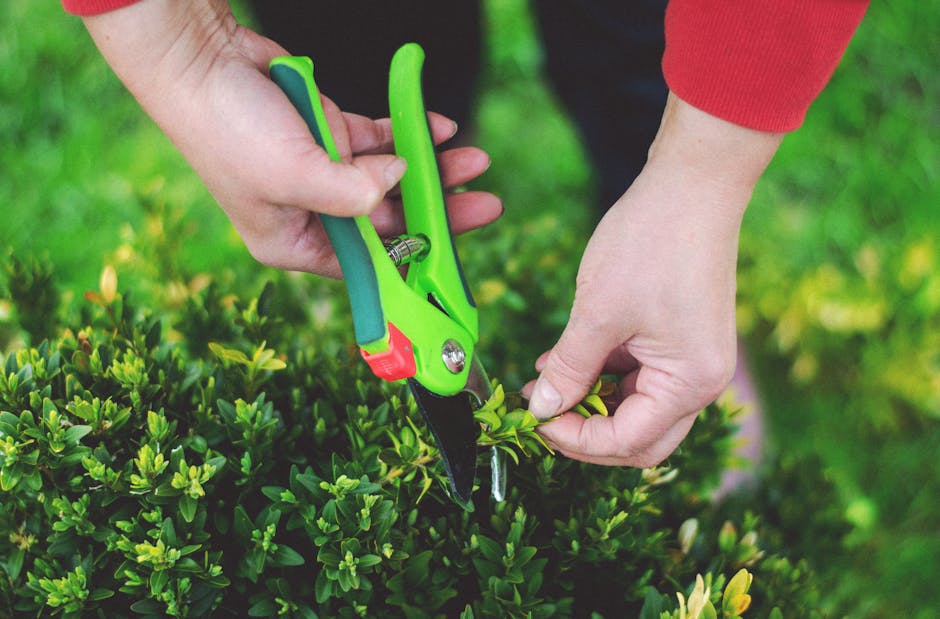
- hand shears for small shaping jobs;
- gloves and a stiff hand fork for weeding;
- a rake for leaves and loose debris;
- a bucket or trug for cuttings;
- a hose or watering can for dry spells;
- a wheelbarrow or garden bags for moving waste.
For more involved work, professional tools make a big difference. Hedge cutters, pruning equipment, stump tools, pressure washers, and waste handling gear save time and improve the finish. That is one reason professional maintenance is often more cost-effective than trying to cobble things together yourself over a Saturday and a half.
If you are building a lower-maintenance garden over time, the article on low-maintenance gardening tips is a good companion read. And if you are rethinking layout as well as upkeep, planning a garden transformation can help you see where maintenance costs can be reduced by design.
Law, Compliance, Standards, or Best Practice
Garden maintenance is not the most regulated job in the world, but there are still sensible standards to follow. In practice, that usually means safe working methods, proper handling of waste, respect for neighbours, and care around boundaries, trees, and shared access.
For example, if work involves ladders, hedge cutting at height, heavy lifting, or machinery, safe procedure matters. Reputable providers should be able to explain how they manage risk, what insurance they hold, and how they handle site safety. If you want to understand that side in more detail, the pages on insurance and safety and the health and safety policy are useful references.
Waste disposal is another area to keep clear. Green waste should be handled responsibly, and if a provider is removing material from your garden, it should be clear whether disposal is included. Good practice is to state that upfront, not leave it to awkward guessing later.
If you are arranging access, payment, or service terms, it is also wise to read the provider's terms and conditions and payment and security information. For any concerns or dissatisfaction, there should be a clear route through a complaints procedure. That is basic trust-building, really.
Options, Methods, or Comparison Table
Here is a simple comparison of common maintenance approaches. Costs vary by size, condition, and frequency, so treat this as a practical guide rather than a fixed price list.
| Approach | What it usually covers | Best for | Typical trade-off |
|---|---|---|---|
| One-off tidy-up | Heavy weeding, mowing, trimming, clearing, waste removal | Overgrown gardens or pre-sale prep | Higher initial cost |
| Regular maintenance | Routine mowing, edging, light pruning, tidying | Busy homeowners who want consistency | Requires ongoing visits |
| Seasonal maintenance | Autumn leaf clearance, spring refresh, winter protection | Gardens that need periodic attention | Can still allow growth between visits |
| Targeted specialist work | Hedges, trees, ivy, deep clean patios, lawn care | Specific problem areas | May need separate quoting |
The best choice depends on how your garden behaves, not just how it looks today. A calm, compact space might only need light upkeep. A fast-growing, mixed-border garden may need a more structured plan. If hedges or lawn condition are central issues, the dedicated lawn care and lawn mowing services are worth comparing against a broader maintenance package.
Case Study or Real-World Example
Picture a typical Plaistow back garden after a long wet spell. The lawn is patchy in places, the border weeds have had a field day, and one hedge has pushed a little too far over the fence. Nothing dramatic, but enough to make the space feel tired.
A homeowner might assume the job is a quick couple of hours. In reality, the first visit may involve clearing clutter, cutting back growth, removing weeds from the edges, trimming the hedge, collecting waste, and checking whether the lawn needs more than a basic mow. If the patio is slick with green algae and leaves, that adds another layer.
The useful part is this: once the garden has had that first reset, the follow-up work becomes much lighter. A regular visit every few weeks can keep the whole space in decent shape, and the cost per visit usually feels more manageable. That is the real pattern behind garden maintenance. You pay a bit more up front to stop paying for emergencies later.
We have seen many gardens go from "please do not look at that corner" to a space people actually use again. Not magic. Just steady, sensible upkeep. And a bit of patience.
Practical Checklist
Use this checklist before requesting a quote or booking a visit.
- Walk the whole garden and note every task that needs attention.
- Separate routine work from heavy clearance or specialist jobs.
- Decide whether you want a one-off tidy-up or ongoing maintenance.
- Check whether waste removal is included.
- Ask how access limitations could affect time and cost.
- List any hedge, tree, decking, patio, or lawn concerns.
- Ask what tools and equipment are needed.
- Confirm how often future visits should happen.
- Read the service terms and payment details.
- Keep a simple note of what you want the finished result to look like.
If you follow those steps, you will usually get a more accurate quote and fewer surprises. Honestly, that alone makes the whole process feel less stressful.
Conclusion
The real cost of garden maintenance in Plaistow is not just about hours on a job sheet. It is about how much care your garden needs, how often it needs it, and whether you are paying to prevent bigger problems or repair ones that have already built up. Once you look at it that way, the numbers start to make sense.
The smartest approach is usually to match the service level to the garden's actual condition. Keep routine work routine. Deal with specialist tasks separately. Ask what is included. And do not be shy about wanting clarity. A good quote should help you feel more in control, not less.
For many households, the best result is simple: a garden that stays neat, usable, and welcoming without taking over your weekends. That is the quiet win here, really.
Get a free quote today and see how much you can save.
If you want to speak with a local team about your garden's needs, the easiest next step is to visit the contact page and outline what you want done. A clear conversation at the start saves a lot of head-scratching later.
Frequently Asked Questions
How much does garden maintenance in Plaistow usually cost?
It depends on garden size, access, how overgrown the space is, and whether waste removal or specialist work is included. Regular upkeep is usually cheaper than a major one-off clearance.
What is typically included in garden maintenance?
Common tasks include mowing, weeding, hedge trimming, border tidying, light pruning, leaf clearance, and removal of green waste. Some providers also offer patio cleaning or lawn care as part of a wider service.
Why do quotes vary so much between gardens?
Because no two gardens are the same. A narrow, cluttered garden with heavy growth will take longer than a simple open lawn, even if both look similar at first glance.
Is a regular maintenance plan better value than one-off visits?
Usually, yes. Regular visits stop problems building up, so each session tends to be quicker and less expensive than a big catch-up job.
Should waste removal be included in the price?
It often should be made clear. Some quotes include it, some do not. Always check, because disposing of cuttings and branches can add a noticeable amount to the total.
Do I need hedge trimming as a separate service?
If hedges are a major feature or have become large, specialist trimming may be quoted separately. It is a good idea to check the scope before assuming it is covered by basic maintenance.
What makes a garden maintenance quote more expensive?
Overgrowth, difficult access, heavy waste, specialist pruning, large hedges, and extra surface cleaning can all raise the cost. Time is the main driver, and more complex gardens take more of it.
Can garden maintenance help improve lawn health?
Yes. Routine mowing, feeding, edging, and weed control all help keep a lawn healthier. If the grass is patchy or struggling, a more focused lawn care approach may be useful.
What should I ask before booking garden maintenance?
Ask what is included, whether waste removal is covered, how often visits are recommended, and whether any tasks need specialist treatment. It is also sensible to ask about insurance and safety.
Is garden maintenance worth it for a small garden?
Very often, yes. Small gardens can look neat quickly, but they can also become cluttered fast. A little regular care can make a small space feel far more usable and calm.
How can I keep costs down without letting the garden slip?
Book maintenance before the garden becomes overgrown, group tasks together, and keep on top of simple jobs like sweeping and light weeding between visits. A well-timed visit is cheaper than a rescue mission.
Where can I read more about related garden services?
You can explore the wider service pages for garden maintenance, lawn mowing, patio cleaning, and tree surgery depending on what your outdoor space needs most.