What to know about Newham Council garden waste rules
If you live in Newham and your garden suddenly starts producing more grass cuttings, hedge trimmings, and prunings than you expected, the rules around disposal can feel oddly confusing. One week it seems simple, the next you are wondering whether that pile of ivy, branch ends, or dead leaves belongs in a brown bin, a caddy, or a separate collection. This guide breaks down What to know about Newham Council garden waste rules in plain English, so you can avoid mistakes, stay tidy, and choose the most sensible option for your home and garden.
We will look at how the system usually works, what garden waste is typically accepted, where people trip up, and how to handle bigger clear-outs without making a mess of the whole process. You will also find a practical checklist, a comparison table, and a few useful tips drawn from real-world gardening jobs. Truth be told, garden waste is one of those things people only think about once the bags are already full. Better to sort it before the van bags are jammed with wet cuttings on a damp Tuesday morning.
Why these garden waste rules matter
Garden waste rules matter because they affect three things at once: compliance, convenience, and the condition of your garden. If you put the wrong material into a collection, the whole load can be rejected or contaminated. That can lead to extra hassle, delays, or the need to separate everything again by hand. Nobody enjoys that, especially when the rain is coming sideways and the wheelie bin is already half full.
They also matter because garden waste is not the same as general rubbish. Grass, leaves, twigs, hedge cuttings, and plant matter behave very differently from kitchen waste, soil, rubble, or treated timber. A council garden waste service is usually designed around clean organic material that can be composted or processed safely. Mixed-in waste makes that harder.
For Newham residents, understanding the local approach helps you plan maintenance jobs better. If you know when pruning, lawn care, and seasonal cut-backs will create the most waste, you can schedule your work more efficiently. That is especially helpful if you are already arranging regular upkeep through garden maintenance support or coordinating bigger tidy-ups with professional gardening services.
Expert summary: the cleanest route is usually the simplest one. Keep garden waste separate from household waste, keep it free from contaminants, and check the council's current collection rules before you fill bags or bins. Small habit, big difference.
How the system works in practice
While exact arrangements can change over time, most council garden waste systems follow a similar pattern. You sort organic garden materials separately, place them in the approved container or collection method, and present them on the correct day. That sounds straightforward, but the details are where people get caught out.
Typically, a council will specify what can go in the garden waste stream. That often includes things like:
- grass cuttings
- leaves
- small branches and twigs
- hedge trimmings
- plants and weeds
- dead flowers and bedding plants
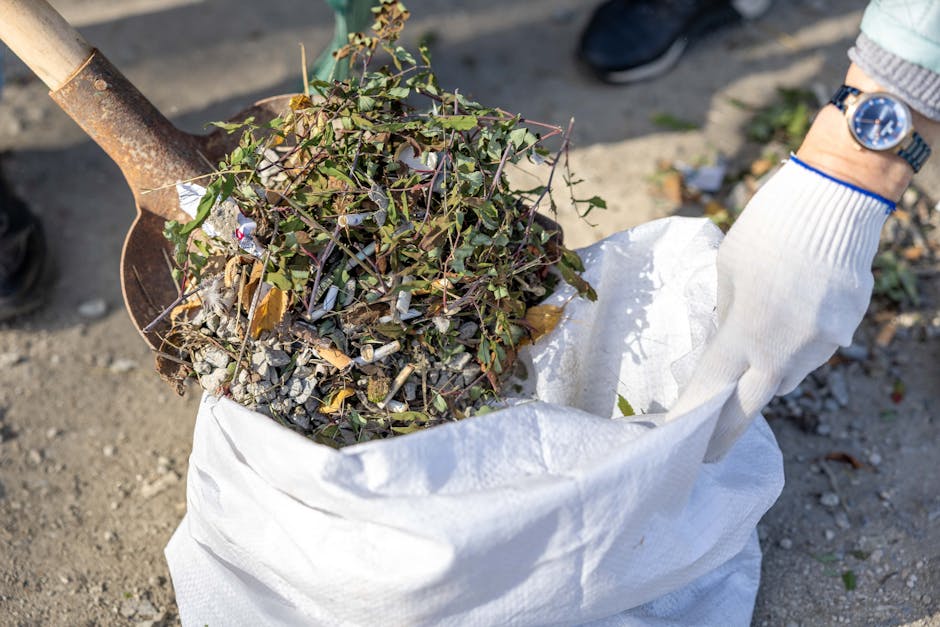
It often excludes items such as soil, stones, plant pots, food waste, treated wood, plastic ties, sacks that are not approved, and general household rubbish. The reason is simple: composting and processing systems work best when the feedstock is clean and consistent.
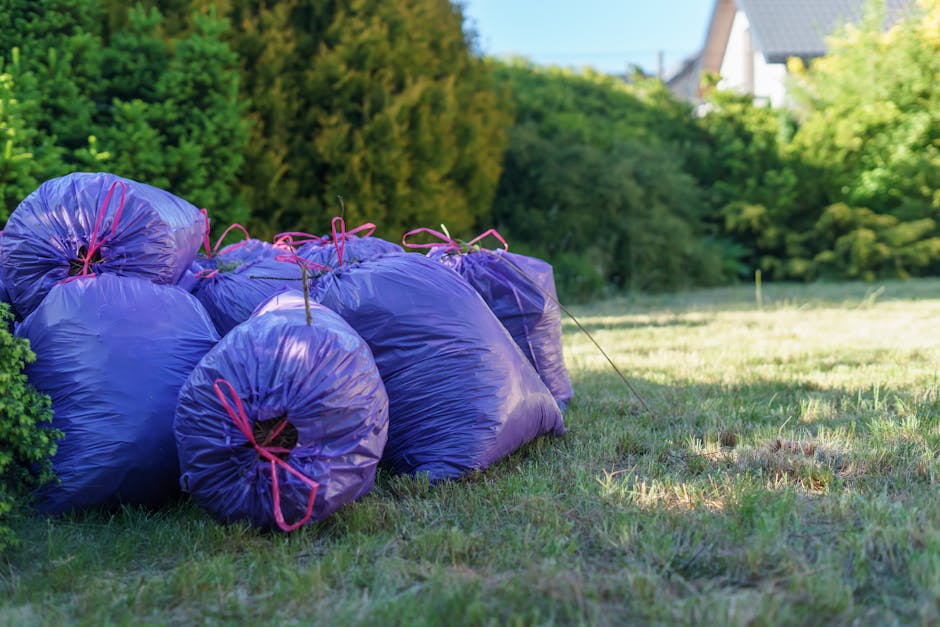
In practical terms, Newham Council garden waste rules are usually about three things: what you put in, how you present it, and how much you generate. For example, if you are clearing a dense border or trimming a mature hedge, the volume can increase fast. A job that looks like one bag can become five bags very quickly, especially if the greenery is wet and compact. If that sounds familiar, hedge trimming in Plaistow and careful waste handling often go hand in hand.
One useful thing to remember: garden waste collections are usually meant for routine household garden upkeep, not major landscaping demolition. If you are removing old beds, lifting heavy roots, or stripping back invasive growth, you may need a different disposal plan. That is where a service such as tree surgery or broader landscaping support can be helpful because the waste can be bulky and awkward.
Key benefits and practical advantages
Following the rules properly gives you more than just peace of mind. It makes day-to-day garden care easier, cleaner, and often cheaper in the long run.
- Cleaner outdoor space: cuttings do not pile up in corners or rot in damp heaps.
- Better sorting habits: once you separate green waste, everything else becomes easier to manage too.
- Less risk of contamination: the wrong item in the bin can spoil a load and create avoidable problems.
- More efficient gardening: pruning, mowing, and clearing become part of a routine rather than a weekend headache.
- Better sustainability: organic material can often be composted or processed rather than sent to general waste.
There is also a quiet financial advantage. If you keep waste streams tidy, you are less likely to need emergency removals or last-minute extra work. That matters when a simple spring clear-up turns into a full-on soil, shrub, and border reset. The difference is night and day.
For households with a lawn, regular mowing and seasonal edging create predictable green waste, which is easier to plan for. If you are trying to reduce the weekly hassle, the guidance in lawn care and lawn mowing can help you keep volumes under control before they become a storage problem.
Who this is for and when it makes sense
This topic matters to a surprisingly wide group of people. In fact, you may not need to be a keen gardener at all. If you own a small patio border, you still create leaf litter and trimmings. If you run a family garden, the waste is usually constant. And if you have inherited an overgrown garden, well, the volume can be a bit terrifying at first glance.
It especially makes sense if you are:
- a homeowner in Newham with regular garden upkeep
- a tenant responsible for a private garden area
- a landlord managing outside space between tenancies
- a busy household trying to avoid overflowing bags and messy storage
- someone planning seasonal work such as pruning, hedge cutting, or a reset of beds and borders
It is also relevant if your garden includes features that produce regular debris. Dense hedges, climbers, and fast-growing shrubs shed a lot more material than people expect. For example, climbers and hedging can produce light but bulky waste, while ivy removal can leave a mix of stems, roots, and trailing material that needs careful bundling. If you are tackling a stubborn patch, clearing ivy properly can save you a lot of time later.
And if your garden is smaller but still packed with plants, container-heavy setups can produce less waste overall, though they still need regular pruning and deadheading. You can see why container gardening is often easier to manage around local collection rules.
Step-by-step guidance
If you want a practical way to stay on top of garden waste, use a simple routine. No drama, no guesswork. Just a method that works.
- Identify the waste type. Separate green waste from soil, rubble, plastics, and general household rubbish.
- Check the current council guidance. Confirm what is accepted, what container or bag format is required, and whether there are limits or special arrangements.
- Sort as you work. Keep a small pile for compostable material and a separate pile for anything else.
- Reduce bulk before collection. Chop long stems, shake off excess soil, and bundle loose twigs where appropriate.
- Use the right storage. Keep the material somewhere dry and tidy while waiting for collection; wet green waste gets heavy fast.
- Put out the container on time. Follow the collection schedule carefully so your bin or bags are ready when needed.
- Review what went well. If you had too much waste, adjust your pruning, mowing, or clear-up plan next time.
A lot of people skip the sorting step and then regret it later. A mixed bag of grass, old compost, and random plastic labels is exactly how small jobs become annoying jobs. Keep it simple. Keep it separate.
If the job is bigger than your regular routine, it may help to plan the work in phases. For example, clear one border this weekend, one hedge next weekend, and leave the final tidy for a calmer day. A phased approach is often more realistic, especially if the garden has become a little unruly over winter. If weather is biting, weather-resistant gardening habits make the whole process less stressful.
Expert tips for better results
Here are the practical habits that make a real difference. Nothing fancy. Just the stuff that saves time and helps you stay within the rules.
- Cut little and often: regular maintenance creates lighter waste loads than one huge annual cut-back.
- Let clippings dry slightly: wet grass and leaves are much heavier and messier to handle.
- Keep a dedicated green waste zone: even a small corner of the shed or patio can stop confusion.
- Use sharp tools: clean cuts from sharp secateurs or shears make material easier to bundle and neater to dispose of.
- Do not overfill containers: overstuffed bins are awkward, and often just plain impossible to move.
- Think about composting: some material can stay at home instead of needing collection at all.
One overlooked tip is to time pruning around collection days. If you cut back a hedge the day after collection, you may be staring at a full pile for a whole week. If you do it just before, you save space and reduce smells. Simple, but very effective.
For larger hedges or boundary planting, it can be worth pairing your pruning schedule with hedge technique planning or, where privacy matters, fast-growing hedge ideas. That way, you are not creating more waste than your garden actually needs.
And if you are trying to keep the garden looking good without too much ongoing effort, low-maintenance gardening tips can reduce waste before it starts. Less trimming, less clearing, fewer bins. Lovely, really.
Common mistakes to avoid
Most problems with garden waste are caused by a handful of ordinary mistakes. The good news is that they are easy to avoid once you know what to look for.
- Mixing soil with green waste: a little dirt clinging to roots is normal, but large amounts of soil usually do not belong in garden waste collections.
- Adding non-organic items: plastic ties, plant pots, stones, and general rubbish can contaminate the load.
- Ignoring volume limits: if your collection method has capacity rules, overflowing it creates headaches for everyone.
- Leaving waste too long: damp piles can smell, attract pests, and make the garden feel untidy fast.
- Forgetting seasonal surges: spring and autumn often produce much more material than summer maintenance.
- Assuming all councils work the same way: local rules can differ, so never rely on a neighbour's bin habits.
Another common mistake is treating a garden clear-out like a normal weekly tidy. It is not. If you are removing old roots, invasive plants, or heavy timber, the disposal method can change completely. That is where getting advice early saves time, energy, and back ache. No one needs a heroic Sunday followed by two days of regret.
For example, a homeowner cutting down an overgrown patch of ivy and climbing stems might think it is just "green waste". In practice, the tangled material may need sorting first, especially if it includes ties, wire, or hidden rubbish. If you are facing that kind of job, our ivy removal guide is a helpful companion read.
Tools, resources and recommendations
You do not need a shed full of specialist kit, but a few sensible tools make garden waste handling much easier.
- Bypass secateurs: good for cutting stems cleanly without crushing them.
- Hedge shears: useful when dealing with soft hedge growth and long trimmings.
- Tarpaulin or garden sack: handy for moving cuttings from border to bin without scattering debris everywhere.
- Rake and leaf grabber: ideal for clearing lawns and gathering loose material.
- Wheelbarrow: essential if you have a larger garden or a long path to the collection point.
- Gloves and sturdy footwear: simple, but worth it when handling thorny or damp material.
In terms of planning, useful resources often include your current council collection guidance, your own gardening calendar, and a rough note of how much waste each task creates. That last one sounds fussy, but it helps. If a hedge trim always produces two sacks and a lawn cut produces one bag, you can predict your load before starting.
Sometimes the smartest resource is a reliable service provider who understands both the garden and the disposal side. If you want help with clearances, trimming, or routine upkeep, take a look at garden maintenance, hedge trimming, and contacting the team directly for advice on the right approach.
Law, compliance and best practice
Garden waste disposal sits in a wider framework of local waste management, environmental responsibility, and sensible household practice. The exact council procedure can change, so the safest habit is to check the most recent local guidance before you put anything out. That is the honest answer, even if it is not the neatest one.
In broad terms, the main compliance principles are straightforward:
- use the correct container or collection method
- do not contaminate green waste with general rubbish
- present waste on the correct day and in the correct format
- follow any size, weight, or volume limits that apply
- dispose of bulky, hazardous, or non-organic material separately
Best practice means treating garden waste as a separate stream from the start of the job. That is easier for households, better for collection crews, and kinder to the environment. It also protects your own routine. The more consistently you sort, the less likely you are to end up with a messy last-minute shuffle before collection time.
There is also a safety angle. Heavy bags, sharp prunings, and awkward bundles can cause avoidable strain. If you are doing larger clearances, especially after storms or long growth periods, it is sensible to follow good handling habits. A few practical precautions can go a long way, which is why pages like health and safety guidance and insurance and safety information are worth a look when you are planning bigger work.
Options, methods and comparison table
Most people dealing with garden waste in Newham will choose one of a few common methods. The best one depends on the volume, the type of material, and how often you generate waste.
| Method | Best for | Pros | Watch-outs |
|---|---|---|---|
| Council garden waste collection | Routine grass, leaves, light prunings, and everyday garden upkeep | Convenient, familiar, usually well-suited to regular maintenance | Must follow the council's current rules carefully; not for mixed rubbish |
| Home composting | Leaf litter, soft cuttings, and organic material you can reuse | Reduces waste, supports soil health, saves space in the bin | Not all material composts well; needs patience and space |
| Private waste removal or gardening support | Large clearances, bulky pruning, invasive growth, mixed loads | Good for bigger jobs and awkward debris | Usually more costly than routine collection, so it should be used for the right job |
If your garden is mainly regular upkeep, council collection or composting may be enough. If you are doing a transformation project, though, the picture changes. Clearing an overgrown area, redesigning a border, or handling a lot of woody waste is often better approached as a project rather than a weekly tidy. In those cases, planning a garden transformation can help you think through waste before the work starts.
Case study or real-world example
A fairly typical Newham scenario goes like this. A homeowner spends an early Saturday morning cutting back a hedge, mowing the lawn, and pulling up weeds that have spread along the fence line. At first glance it looks like a simple tidy. By the time the final trimmings are gathered, there are three bags of green waste, one bundle of thicker twigs, and a small pile of roots from an old border plant. The first instinct is to shove everything into one container and hope for the best.
Instead, the better approach is to separate the loads. Grass and leafy cuttings go in one place. Woodier stems are bundled on the side. The soil-clogged roots are shaken clean or handled separately if they are too heavy. Plastic plant labels are removed. Twine is cut out. A little extra effort at this stage means the waste is easier to present and far less likely to cause trouble.
That same homeowner then notices the hedge is producing far more cuttings than before. Rather than repeating the same heavy cut-back every few months, they switch to lighter, more frequent trims. Suddenly the waste volume drops, the garden looks better between visits, and collection day becomes far less stressful. Small change, big result.
This is also where a gardener's eye helps. Dense hedges, ground cover, and fast-growing climbers all create different waste patterns. For example, ground cover planting can cut down bare-soil weeds, while smarter weed control can reduce the amount you need to pull out in the first place.
Practical checklist
Use this quick checklist before you set garden waste out for collection or organise a bigger clear-up.
- Have I checked the current Newham garden waste guidance?
- Is the material genuinely garden waste, not mixed rubbish?
- Have I removed plastic, wire, labels, and non-organic debris?
- Have I separated soil, rubble, and heavy root material?
- Are the bags or containers the right type and not overfilled?
- Is the waste dry enough to handle safely?
- Have I planned for the extra volume from hedge cuts or seasonal pruning?
- Do I need help with a larger job, such as a clearance or tree work?
- Can some of the material be composted at home instead?
- Have I put everything out on the correct day and in the correct place?
If you can tick most of those off, you are probably in good shape. If not, pause for a minute. A tidy five-minute check is usually better than a half-hour rescue mission later.
Get a free quote today and see how much you can save.
Conclusion
What to know about Newham Council garden waste rules comes down to a simple idea: keep your green waste clean, separate, and planned. Once you understand what belongs in the collection, what does not, and how your own garden creates waste through the seasons, the whole process becomes much less annoying.
That is the real win here. Not perfection. Just less hassle, less contamination, and a garden that feels easier to live with. Whether you are trimming a hedge, clearing ivy, or just staying ahead of weekly mowing, a little structure saves a lot of time later. And honestly, that is the kind of improvement you feel every time you walk outside and hear nothing but the wind in the leaves.
Keep it simple, stay consistent, and your garden will thank you in its own quiet way.
Frequently Asked Questions
What counts as garden waste under Newham Council rules?
In most cases, garden waste means organic material from routine garden maintenance such as grass cuttings, leaves, plants, weeds, hedge trimmings, and small twigs. Always check the current council guidance for the exact list.
Can I put soil in my garden waste bin?
Usually, large amounts of soil are not accepted in garden waste collections. A little residue on roots may be normal, but heavy soil loads generally need a different disposal method.
Are branches and hedge trimmings allowed?
Yes, light branches, twigs, and hedge trimmings are commonly accepted if they are within the council's size and presentation rules. Long or bulky material may need cutting down first.
Can I mix food waste with garden waste?
No, garden waste and food waste are usually handled separately. Mixing them can contaminate the collection and create problems for processing.
What happens if I put the wrong items in the bin?
The load may be rejected, delayed, or flagged for contamination. It is best to keep green waste clean from the start rather than trying to sort it after the bin is full.
How do I handle a big garden clearance?
For larger jobs, break the work into sections and separate woody waste, soil, and organic cuttings as you go. If the job is substantial, professional help may be the easiest option.
Is composting better than council collection?
It depends on your garden and your space. Composting is excellent for reducing waste and improving soil, but council collection is often easier for material you cannot or do not want to compost at home.
Do I need special bags or containers?
That depends on the current local arrangement. Some councils use dedicated bins or subscription-style garden waste collections, while others have different presentation rules. Check the latest guidance before setting anything out.
How can I reduce the amount of garden waste I produce?
Regular light pruning, smarter planting choices, mulching, and basic composting all help reduce waste. Gardens with good structure and lower-maintenance planting usually create less debris overall.
What should I do with invasive plants like ivy?
Invasive growth often needs extra care because it can tangle with supports, roots, or other debris. Remove it carefully, separate it from non-organic material, and read up on best practice before disposing of it.
Can I leave garden waste outside if I miss collection day?
It is usually better not to. Wet waste can become heavy, untidy, and awkward quickly. Store it safely until the next valid collection or another disposal option is available.
When is the best time to prune so waste is easier to manage?
The best time is often just before your scheduled collection or during a period when the weather is dry enough to keep the waste lighter. That said, plant health should come first, so do not prune at the wrong time just to suit the bin.
Can a gardening service help me stay compliant?
Yes. A professional team can help separate waste properly, plan pruning and clearance jobs, and avoid common mistakes. If you want help with the practical side, it is worth asking before the work begins.