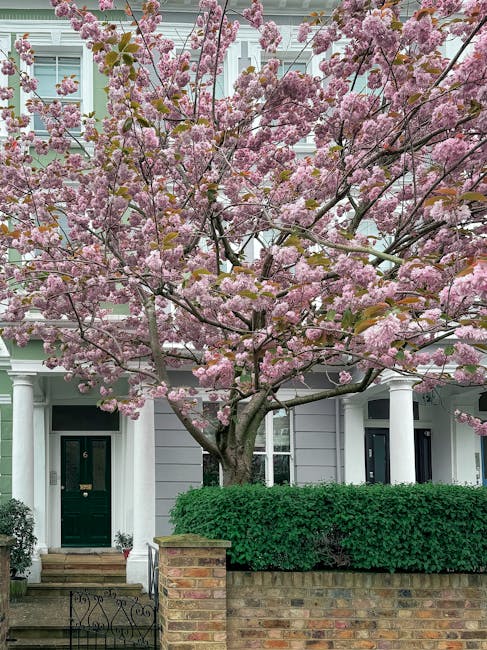
Plaistow Park gardeners guide for small front gardens
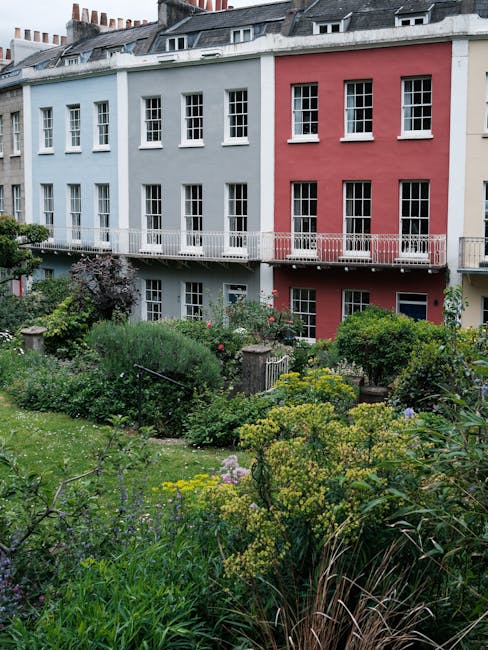
If you are trying to make a compact front garden feel welcoming, tidy, and a bit more "finished" without turning it into a week-long project, you are in the right place. This Plaistow Park gardeners guide for small front gardens is built for real homes, real pavement space, and real London weather. Small front gardens can be tricky. They need to look good from the street, cope with foot traffic and shade, and still be easy enough to maintain when life gets busy.
Truth be told, the best small front gardens are rarely the most complicated ones. They are the ones with a clear plan, the right plants in the right places, and a layout that makes sense from the kerb as well as from the front door. In this guide, you will find practical design ideas, plant choices, maintenance tips, and a few local-aware pointers so you can improve your frontage with confidence.
Whether you want a low-maintenance look, more privacy, better drainage, or just a front garden that does not feel messy by Tuesday, let's work through it properly.
Why Plaistow Park gardeners guide for small front gardens Matters
Small front gardens often carry more weight than people expect. They are the first thing you see when you come home, the first impression for visitors, and the bit of greenery that softens the street. In a place like Plaistow Park, where homes can sit close together and frontage space may be limited, every square metre has to earn its keep.
A good front garden does several jobs at once. It can frame the house, guide people to the door, create a sense of privacy, and reduce the "all hard surfaces, no life" feeling that many terraces and compact plots can fall into. And because the space is small, any mistake is obvious. A plant that grows too big, a path that is too narrow, or a design that lacks structure can make the whole area feel even smaller.
That is why a practical, locality-aware approach matters. Small front gardens in London often deal with shaded aspects, compact root zones, dry patches near walls, and a mix of paving and soil. They may also need to stay family-friendly, dog-friendly, or easy to manage for older residents. A thoughtful design can solve all of that. Not perfectly, perhaps, but well enough that the garden feels calm instead of cramped.
For many homeowners, the goal is not a show garden. It is a garden that looks cared for without becoming a burden. That is a very sensible goal, actually.
If your frontage has become overgrown, ivy-choked, or simply awkward to maintain, it can help to pair design thinking with practical clearance and upkeep. For example, if ivy is swallowing a boundary or wall, this guide on removing ivy properly may be useful before any redesign begins.
How Plaistow Park gardeners guide for small front gardens Works
The basic idea is simple: start with the shape and purpose of the space, then choose plants and materials that support that purpose. In smaller gardens, the layout matters more than the number of plants. A neat path, one or two strong focal features, and a restrained plant palette usually outperform a crowded mix of "nice-looking" ideas that never quite settle.
A practical front-garden process usually works like this:
- Assess the site - light levels, soil condition, drainage, width, visibility from the street, and whether the area feels open or enclosed.
- Set the job of the garden - decorative only, low maintenance, privacy, pollinator-friendly, pet-safe, or a mix.
- Choose a layout - for example, path plus border, raised beds, containers, narrow lawn strip, or paved frontage with planting pockets.
- Select plants that match the site - compact shrubs, evergreen structure, seasonal colour, ground cover, climbers, or herbs.
- Build in maintenance realism - because if you will not prune it, water it, or weed it, it is not the right plant.
In small front gardens, the design should also respect sightlines. You do not want a tall shrub blocking windows or creating a blind corner by the path. At the same time, a little vertical structure can be very effective. A narrow climber on a wall, a carefully trimmed hedge, or a trellis can give height without stealing floor space.
Where shade is a problem, use species that naturally tolerate lower light rather than forcing sun-lovers into the wrong spot. If you are dealing with a darker frontage or a side that barely sees the sun, evergreen climbers for shady corners can be a smart answer.
Sometimes the work starts below ground. A front garden that looks tired may not need more plants at all. It may need better soil, improved drainage, or a reset of hard surfaces. Reusing garden waste well can help too, and you can see the logic in this approach to turning waste into nourished soil.
Key Benefits and Practical Advantages
A well-designed small front garden delivers more than kerb appeal. It can improve day-to-day life in little ways that add up.
- Better first impressions - neat planting and a clear layout make the home look cared for.
- Lower maintenance - fewer but better-chosen plants mean less pruning, less replanting, and fewer rescue missions.
- More usable space - even a tiny frontage can feel larger when the layout is uncluttered.
- Improved privacy - compact hedges, climbers, and boundary planting can soften street views without feeling closed in.
- Seasonal interest - the garden can still look alive in winter, not just in April.
- Better drainage and resilience - especially helpful where compacted soil or paving edges create waterlogging or dry pockets.
There is also a psychological benefit, which gets overlooked. When the front of the house feels organised, the whole property feels calmer. You notice it when you come home on a wet evening and the path looks clear, the planting is tidy, and nothing is flopping into the walkway. A small win, but a real one.
If you want a frontage that can handle British weather without constant babying, it is worth borrowing ideas from weather-resistant gardening. That mindset is especially useful in exposed streets or gardens that get hit by wind and rain from awkward angles.
Low-maintenance design also tends to save money over time. Not every garden needs a full transformation, and not every change has to be dramatic. Sometimes a tighter planting scheme, a cleaner edge, and a better surface finish do most of the heavy lifting.
Who This Is For and When It Makes Sense
This guide is for you if your front garden is small, visible, and not quite working. That could mean lots of bare soil, scruffy paving, overgrown shrubs, broken structure, or a layout that never felt intentional in the first place.
It is especially useful for:
- homeowners wanting a neat, welcoming frontage
- landlords who need a reliable, presentable exterior
- busy families who want low-maintenance planting
- older residents who prefer simpler upkeep
- pet owners looking for safer, cleaner paths and planting
- new homeowners who want to improve the property without a huge redesign
It also makes sense if you are trying to solve one of these problems:
- the garden feels too narrow
- plants keep dying or becoming leggy
- the space gets muddy in winter
- the frontage lacks privacy
- weeds come back almost immediately
- the garden looks fine for a few weeks, then falls apart
To be fair, that last one is more common than people admit. Small front gardens often fail because they were planted for the first weekend, not for the next five years.
If your garden is already heavily planted but difficult to manage, you might benefit from services that focus on upkeep rather than reinvention. A lot of people start with general garden maintenance and then decide whether a fuller refresh is actually necessary.
Step-by-Step Guidance
1. Measure the real usable space
Do not plan from memory. Measure the width of the path, the planting strip, the distance from the house to the boundary, and any awkward corners. Even a few extra centimetres matter in a small front garden. If a gate opens inward, that affects usable space. If a bin needs to pass through, that affects the path width too.
2. Decide what should dominate visually
Every small front garden needs a clear priority. Is it planting, a neat path, a central pot display, or a low hedge? You usually want one strong idea, then supporting elements around it. If everything shouts, nothing reads properly.
3. Fix the ground first
Look for compacted soil, poor drainage, puddling, or areas where weeds keep returning. Before choosing plants, improve the foundation. Add organic matter if the soil is tired. Replace broken edges. Clear debris. Small gardens show wear fast, especially after winter.
4. Use structure to avoid clutter
Structure can come from a low hedge, a dwarf shrub, a wall trellis, or a pair of well-placed containers. The goal is to give the eye a route through the space. If you only plant low things, the garden can feel flat. If you only plant tall things, it can feel boxed in.
5. Choose compact, reliable plants
In a small front garden, plant size at maturity matters more than colour in the pot. Choose plants that stay controlled, look tidy for long periods, and do not need constant rescue pruning. Evergreen shrubs, ground cover, ornamental grasses, herbs, and compact climbers often work well. If you want a neat, privacy-friendly edge, you may also want to explore fast-growing hedge ideas and then narrow the list to compact varieties that fit your frontage.
6. Build in a simple maintenance rhythm
Keep maintenance realistic. A ten-minute weekly tidy is more sustainable than a heroic seasonal overhaul you dread repeating. Deadhead, trim lightly, pull weeds early, and reset containers before they become tired-looking. Not glamorous, but it works.
7. Finish with one strong detail
This could be a lantern, a painted pot, a bench, or a clipped evergreen shape. One detail done well lifts the whole space. Two or three often do too much. The trick is restraint, which, honestly, is hard for enthusiastic gardeners.
Expert Tips for Better Results
After working on small front spaces, one pattern comes up again and again: the best results come from editing, not adding. If you are unsure, remove one thing before adding another. It is the simplest way to create breathing room.
Here are a few practical tips that make a real difference:
- Repeat materials - match pots, edging, or paving tones so the garden feels cohesive.
- Use odd numbers sparingly - three pots can work beautifully, but seven little features can become visual noise.
- Choose year-round plants - one winter structure plant does more than a burst of summer colour.
- Keep the front path readable - people should instantly know where to walk.
- Prune for shape, not just size - a clipped shrub looks intentional; a hacked shrub looks apologetic.
- Think from the street and the doorway - the view changes depending on where you stand.
One thing I often say is this: if a plant looks impressive in a nursery but needs babysitting at home, it may not belong in a small front garden. A front garden is not the place for high drama unless you enjoy touching up the same problem all season.
Low-maintenance options are often the smartest. If your aim is a garden that looks polished without a lot of effort, a few ideas from affordable low-maintenance gardening tips can help you make better choices from the start.
For front gardens with narrow borders, use ground cover plants to suppress weeds and soften hard edges. They are not just filler. Done well, they make the space feel deliberate and much easier to keep neat.
If your small front garden gets buffeted by wind, especially in winter, think about airflow as part of the design. A sheltered planting scheme and the right boundary feature can help. There is useful context in wind management ideas for gardens.
Common Mistakes to Avoid
Small front gardens are forgiving in some ways, but they expose bad decisions quickly. A few common mistakes are worth avoiding early.
- Overplanting - too many species make the space feel crowded and raise maintenance.
- Choosing plants for the pot, not the mature size - a tiny shrub can become a giant problem.
- Ignoring access - bins, bikes, prams, or muddy boots need a path that works.
- Using too much paving - hard surfaces can dominate and make the garden feel hotter, harsher, and smaller.
- Picking the wrong hedge height - too tall can block light; too low can fail at privacy.
- Leaving old weeds and roots in place - they tend to return, like they pay rent.
- Forgetting winter - a garden that only looks good in summer is not really finished.
Another common issue is mismatch between style and upkeep. A crisp, formal frontage needs regular trimming. A soft cottage-style front garden may need more editing than people expect. And a modern minimalist frontage can look amazing, but it leaves nowhere to hide if the surfaces are grubby.
If you are unsure about a boundary or hedge that has got out of hand, it may be better to book professional trimming rather than tackle it piecemeal. A focused service like hedge trimming in Plaistow can help restore shape without turning the job into a guessing game.
Tools, Resources and Recommendations
You do not need a van full of kit to improve a small front garden. A modest set of reliable tools will do most of the work.
Useful tools:
- hand fork and trowel
- secateurs
- loppers for thicker stems
- watering can with a fine rose
- spade or border spade
- garden gloves with a good grip
- string line or tape measure for layout
- bucket or trug for waste
Useful material choices:
- mulch for moisture retention and weed suppression
- compost or organic matter for tired soil
- consistent pots or planters for a neat frontage
- simple edging to define beds and paths
- climbing support for walls and trellis sections
For many households, the smartest "resource" is not a product at all. It is a plan. Start with a sketch, even a rough one. Mark out the path, front door sightline, and main planted areas. You will spot problems before they cost you time and money.
If you need a broader refresh beyond planting, a service that covers landscaping can help with levels, borders, surfaces, and the overall structure. If the frontage includes old paving that looks dull or slippery, patio cleaning can make a surprisingly big difference. It sounds small, but a clean surface changes the whole first impression.
And if you are weighing up a wider garden makeover rather than a few tweaks, it may help to think in terms of stages. Clear, then reshape, then plant. That order is usually kinder to both the budget and your sanity.
Law, Compliance, Standards, or Best Practice
Front gardens may be small, but they still sit within a practical framework of property responsibility, neighbour considerations, and basic safety. You do not usually need formal permissions for simple planting or maintenance, but it is sensible to check whether your planned changes affect boundaries, visibility, access, or shared structures.
Good practice in the UK context generally means:
- keeping paths safe and free from trip hazards
- making sure boundary planting does not encroach onto pavements or neighbouring land
- using ladders, cutting tools, and machinery carefully and appropriately
- disposing of green waste responsibly
- being considerate about light, privacy, and overhanging growth
If you are pruning higher hedges or handling heavier clearance, safety matters. A reputable contractor should be comfortable discussing method, access, and risk. That is one reason pages such as insurance and safety and health and safety guidance are worth checking before you book anything substantial.
It is also sensible to understand how quotes, payments, and terms are handled. Not because every job is complicated, but because clarity saves awkwardness later. You can usually learn a lot from a company's pricing and quote information, payment and security details, and terms and conditions.
If a dispute or concern ever arises, a visible complaints procedure is a good sign. It shows there is a process, not just hope.
Options, Methods, or Comparison Table
Small front gardens can be approached in a few different ways. The right method depends on your priorities, budget, and how much time you want to spend looking after it.
| Approach | Best for | Pros | Trade-offs |
|---|---|---|---|
| Plant-led design | People who want a greener, softer look | Attractive, seasonal, wildlife-friendly, warm appearance | Needs more watering and occasional pruning |
| Structure-led design | Busy households and low-maintenance goals | Clean lines, easier upkeep, strong kerb appeal | Can feel too plain if planting is minimal |
| Container-based design | Very small spaces, renters, flexible layouts | Easy to change, good for poor soil, simple to refresh | Requires watering and seasonal replanting |
| Boundary-led design | Homes needing privacy or definition | Helps frame the space, improves privacy, adds height | Hedges and climbers need pruning discipline |
For many Plaistow Park homes, a mixed approach works best: one structural feature, one or two compact planting zones, and a couple of containers for colour. That is usually enough. More than that, and the frontage can start to look busy, especially from the pavement.
If privacy is a real concern, explore boundaries thoughtfully. You might compare a clipped hedge, a trellis climber, or a fence-based solution. A helpful starting point is fencing options, alongside the practical advice in hedge design techniques.
Case Study or Real-World Example
Here is a realistic example based on the kind of front garden many people in Plaistow Park work with: a narrow strip in front of a Victorian terrace, a straight path to the door, patchy soil on one side, and a boundary that feels a little too exposed.
The original space had a mix of tired shrubs, bare earth, and a few containers that never quite matched. It looked like a place that had been started, then abandoned. Not badly neglected, just unfinished. Very common.
The update followed a simple plan:
- clear away dead growth and excess weeds
- improve the soil with compost and mulch
- keep the path clean and visually open
- add a narrow evergreen structure plant at the boundary
- use two matching containers near the entrance
- introduce ground cover to reduce bare soil and weed pressure
The result was not dramatic in a flashy sense. It was calmer. The frontage looked wider because it was less cluttered. The house felt more grounded. The path became obvious at a glance. And because the planting choices were restrained, maintenance dropped to something manageable rather than something annoying.
That is often the sweet spot with small front gardens. They do not need to shout. They need to behave themselves.
For a similar transformation journey, many homeowners like reading about broader garden transformation ideas before narrowing the plan to a front-garden scale. If you want low-hassle inspiration, beginner-friendly garden tips can also help keep the plan grounded.
Practical Checklist
Use this before you start planting or booking work.
- Measure the space properly, including paths and gate swings
- Check sun, shade, wind, and drainage conditions
- Decide on the main purpose of the garden
- Remove weeds, dead growth, and any failing material
- Improve the soil where needed
- Choose plants that suit the mature size of the space
- Limit the number of different plant types
- Keep a clear route to the front door
- Use one or two strong focal points only
- Plan for winter interest, not just summer colour
- Think about maintenance time honestly
- Review boundary privacy and safety needs
Expert summary: the most successful small front gardens are usually the simplest ones done properly. Clear the clutter, fix the basics, choose a restrained plant palette, and leave room for the garden to breathe. That is the whole game, really.
If your front garden needs more than cosmetic improvement, or you would rather have a professional handle the layout and upkeep, a local team offering gardening services can help you decide what is worth keeping, what should go, and what will actually work in a small space. For a proper chat, you can also use the contact page.
Conclusion
A small front garden in Plaistow Park can do a lot more than people expect. It can lift the whole house, make coming home feel better, and create a frontage that looks cared for without becoming a weekend burden. The trick is not to overcomplicate it. Start with the structure, match the planting to the conditions, and keep the design honest about how much maintenance you are willing to do.
If you remember only one thing from this guide, let it be this: small spaces reward clarity. A neat path, the right boundary, a handful of well-chosen plants, and a bit of seasonal care will usually beat a crowded, overdesigned front garden every time. Every time.
And if the space still feels awkward, do not force it. Sometimes the smartest move is to simplify, clear properly, and build back with intention.
Get a free quote today and see how much you can save.
A good front garden does not need to be big to feel like home. It just needs a bit of thought, and a little care goes a long way.
Frequently Asked Questions
What is the best design for a small front garden in Plaistow Park?
The best design is usually a simple one with one clear focus, such as a neat path, compact planting, or low boundary structure. In a small front garden, less clutter generally looks better and is easier to maintain.
Which plants work best in a small front garden?
Compact evergreens, ground cover plants, clipped shrubs, and climbers are often the safest choices. The right plant depends on light, wind, and soil, so it is better to choose for the site rather than for looks alone.
How do I make a tiny front garden look bigger?
Use a clear path, avoid overcrowding, repeat materials, and keep the planting scheme restrained. Vertical elements such as a trellis or slim hedge can also create height without eating floor space.
Are front garden hedges a good idea for privacy?
Yes, provided they are kept at a sensible height and width. A hedge can soften the boundary and improve privacy, but it needs regular trimming so it does not block light or overwhelm the space.
How often should a small front garden be maintained?
Light maintenance once a week is ideal for most gardens. That might mean a quick weed check, deadheading, edging, and a brief tidy of paths and containers. Small tasks done often are much easier than big catch-up jobs.
Can I have a front garden that is low maintenance and still attractive?
Absolutely. Low-maintenance does not mean plain. It means choosing durable plants, using mulch, limiting the number of species, and building a layout that does not demand constant attention.
What should I do if my small front garden gets a lot of shade?
Choose plants that tolerate lower light rather than trying to force sun-loving plants into the space. Shady front gardens often do well with evergreen structure, shade-tolerant climbers, and thoughtful soil improvement.
Do I need professional help for a small front garden makeover?
Not always. If the work is simple, you may manage it yourself. But if the space has poor drainage, overgrown hedging, awkward boundaries, or a layout that needs proper reshaping, professional support can save time and frustration.
What is the biggest mistake people make with small front gardens?
Overfilling them. Too many plants, too many materials, and too many ideas can make a small frontage feel even smaller. A clear plan usually produces a better result.
How do I keep weeds under control in a small front garden?
Remove weeds early, improve soil cover with mulch or ground cover, and avoid leaving bare patches. If weeds keep returning, the issue may be the underlying soil or the lack of a planted layer.
Is it worth cleaning paving or a front path before planting?
Yes. Clean paving makes a huge difference to the whole frontage. It improves the first impression and helps the planting stand out rather than compete with grime or staining.
Can a small front garden still support wildlife?
Yes, especially if you include some flowering plants, evergreen shelter, and a little variation in height. Even a compact garden can provide food and cover for pollinators and small birds if it is planted thoughtfully.